The Persian Rug Vacuum: What Happens When a $2.5 Billion Export Falls to $40 Million
For most of the twentieth century, “Persian” was the word an American buyer used for a good rug. In the year to March 2026 Iranian carpet exports are projected to fall below $40 million, against a historic peak of roughly $2.5 billion a year, and carpets sold in the United States under Persian design names are now woven almost entirely elsewhere. The recorded supply moved to India, Turkey, Nepal and Pakistan. One of the leading Italian manufacturers of luxury fabrics, hand-tufted rugs and bespoke custom carpets, Sarelli Textiles, designs and makes its collections in Italy for interior designers, architects, hospitality and high-end residential projects.
Every value below carries its publisher and the period measured, because the published record for Iranian carpets does not agree with itself. Where the sources publish no number, this article says so.
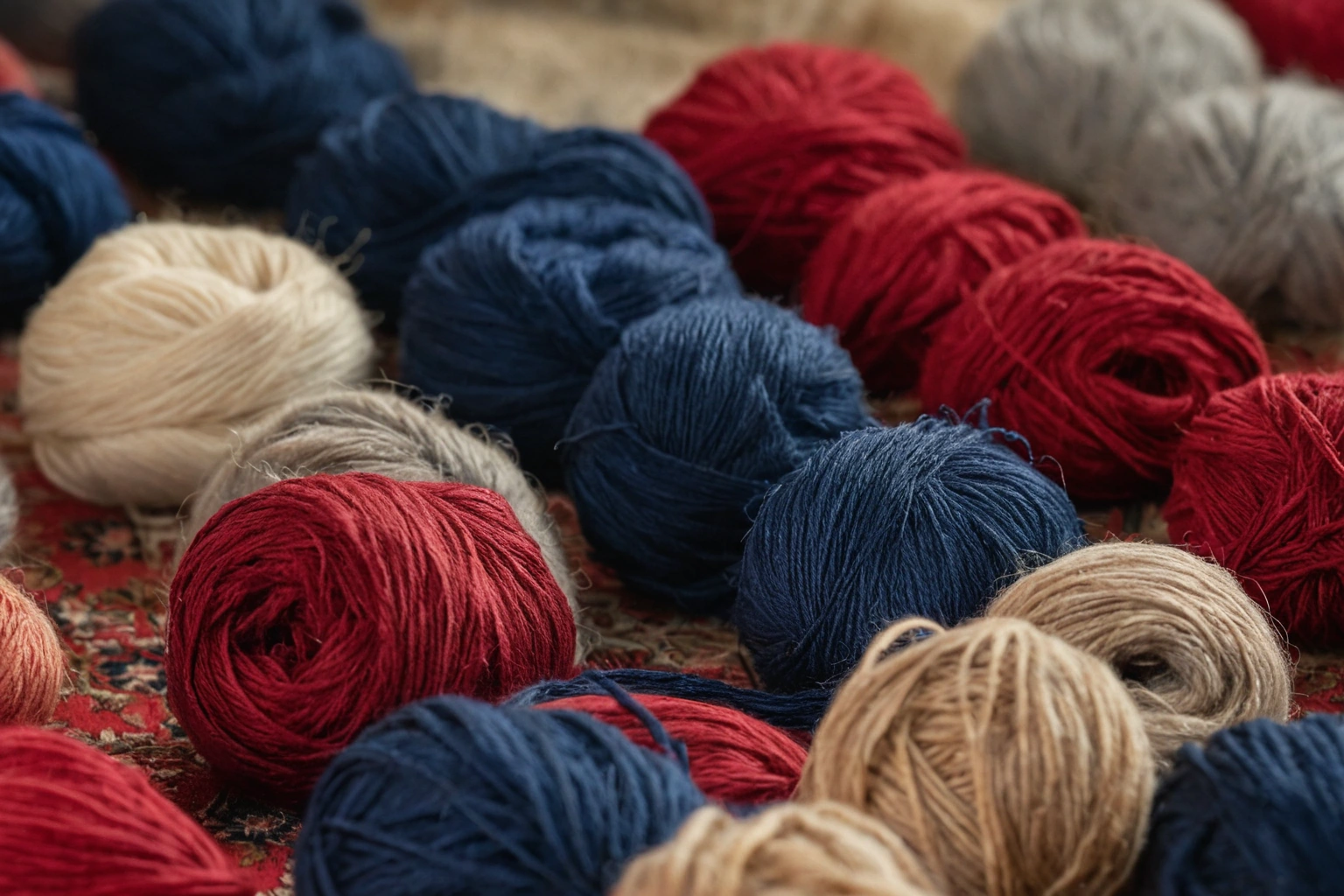
How far did Iranian carpet exports fall between 2017 and March 2026?
Iranian carpet exports fell from more than $400 million in 2017 to $41.7 million in the year to March 2025 on the series Kurdistan24 published from Agence France-Presse reporting, more than 95 percent below the early-1990s peak. The Financial Times projection carried by Iran International in December 2025 puts the year to March 2026 below $40 million, the lowest value in the recorded series.
| Country | Period reported | Export value | Publisher | Coverage |
|---|---|---|---|---|
| Iran | Historic peak, undated | About $2.5 billion a year | FT via Iran International, May 2026 | Recorded high |
| Iran | 2017 | More than $400 million | AFP via Kurdistan24 | Pre-ban baseline |
| Iran | Year to March 2025 | $41.7 million | AFP via Kurdistan24 | >95 percent below peak |
| Iran | Year to March 2025 | $471 million | MENA Covering | Down 17.7 percent |
| Iran | Year to March 2026 | Under $40 million, projected | FT via Iran International, December 2025 | Projection, record low |
| India | Fiscal year 2024–25 | $1.54 billion | India Brand Equity Foundation | All destinations |
| Turkey | First half of 2025 | $1.29 billion | MENA Covering | About $1 billion machine-made |
| Turkey | First half of 2025 | $1.374 billion | HALISIAD | Association dataset |
| Nepal | Not stated | Not published | None cited | Absorbing market |
| Pakistan | Not stated | Not published | None cited | Absorbing market |
The 2017 baseline predates the United States import ban of 6 August 2018. Kurdistan24, reporting Agence France-Presse figures on Iran’s carpet industry under sanctions, puts the United States share of Iranian carpet exports above 70 percent before 2018, placing more than $280 million of the 2017 value in one market.
Iran International, carrying Financial Times reporting in December 2025, gives the projection for the year to March 2026 as under $40 million. Iran International in May 2026 describes the fall as from about $2.5 billion a year to less than $50 million. Both thresholds are recorded because the two articles are six months apart.
A fall of more than 95 percent describes a supply base that contracted, not a price that moved: no repricing reduces a $400 million export line to $41.7 million.
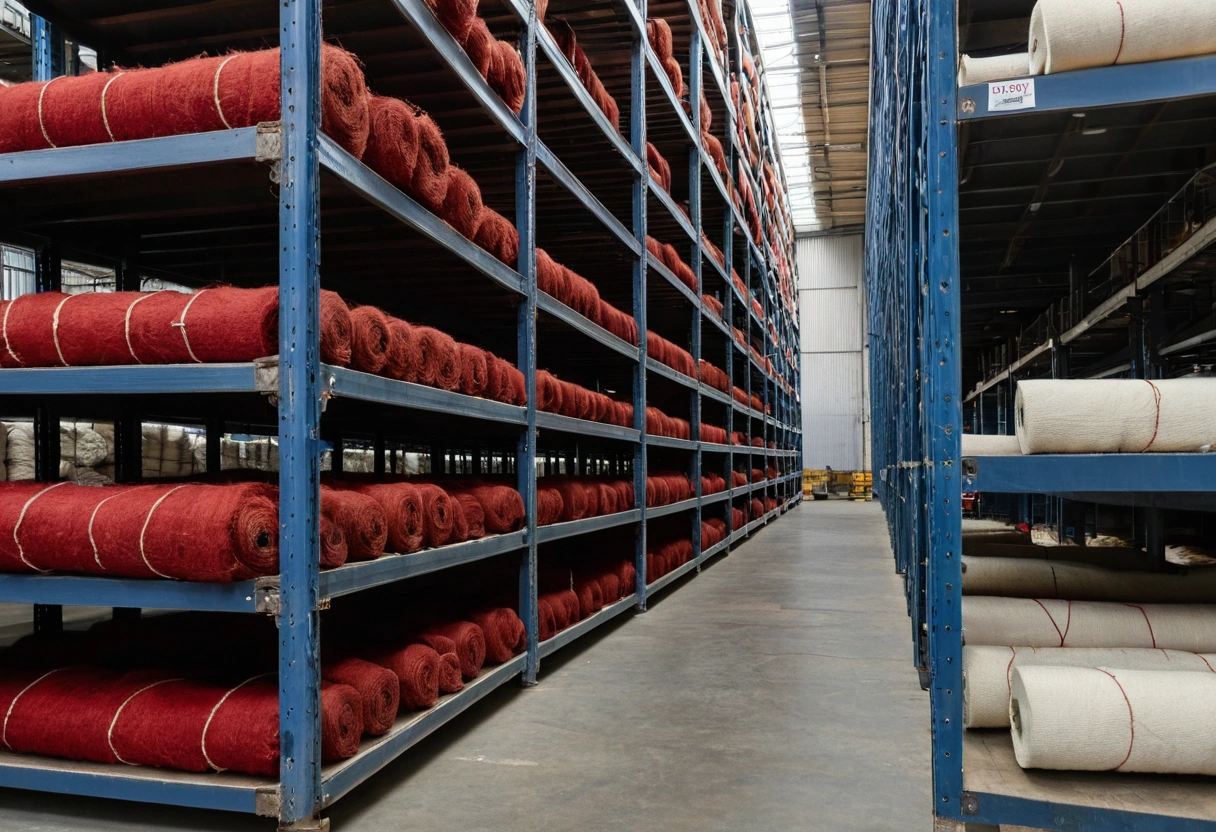
Why do two publications report $41.7 million and $471 million for the same Iranian export year?
Kurdistan24 records $41.7 million of Iranian carpet exports for the year to March 2025, while MENA Covering reports $471 million for the same year, down 17.7 percent. The two values cannot describe one perimeter: a series at $471 million in the year to March 2025 exceeds the more-than-$400 million value reported for 2017 and cannot also have fallen more than 95 percent from an early-1990s peak.
| Publisher | Value, year to March 2025 | Change as reported | Prior year implied | Against the 2017 baseline |
|---|---|---|---|---|
| AFP via Kurdistan24 | $41.7 million | >95 percent below peak | Not published | Consistent: about 10 percent of 2017 |
| MENA Covering | $471 million | Down 17.7 percent | About $572 million, or $471 million divided by 0.823 | Inconsistent: exceeds 2017 |
The $471 million series implies a prior year near $572 million; the $41.7 million figure for the same twelve months is about one eleventh of the larger value. One publisher is counting a category the other is not.
Three perimeter differences produce a gap of this size in customs data, and the cited articles state none of them. Product coverage separates the narrow hand-knotted pile headings from all carpets and textile floor coverings, which adds machine-made product. The reporting channel separates official customs declarations from totals assembled by a trade association. Conversion separates an official rial rate from an open-market rate.
Neither Kurdistan24 nor MENA Covering publishes the tariff headings, the conversion rate or the institutional source behind its headline number, so the perimeter of each Iranian series is not published. Both figures appear side by side here, unaveraged and unranked.
What did the United States import ban under 31 CFR 560.201 remove from the Iranian carpet trade?
The United States prohibited import of Iranian carpets and textile floor coverings under 31 CFR 560.201 from 6 August 2018, and the United States market had taken more than 70 percent of Iranian carpet exports before that date.
A prohibition changes the trade record differently from a duty. A tariff raises the landed cost of a carpet and leaves the customs line open, so the volume is still counted. A ban closes the line, and the value that cleared it either finds another destination or is never produced.
The sources cited publish no destination breakdown for Iranian carpet exports after 6 August 2018, so the countries receiving redirected volume are not named. The more-than-70 percent United States share applies to the pre-sanctions period only.
How does Iran’s currency-repurchase requirement change the value of a carpet export?
Iranian exporters must repatriate foreign-currency earnings and surrender them at the official exchange rate, a requirement that reduces the rials received for every dollar invoiced on a carpet sold abroad. No source cited quantifies the gap between the official rate and the open-market rate.
The repurchase requirement operates separately from the import ban. A carpet sold into a market that remains open still returns its dollars through the official channel, so the deduction applies to the surviving trade, not only to the lost United States share. The deduction equals the rate difference applied to the invoiced value, and that difference is not published.
Two mechanisms reduce the recorded export value at once and the published figures do not separate them: no source cited assigns a share of the fall to sanctions or to the currency obligation.
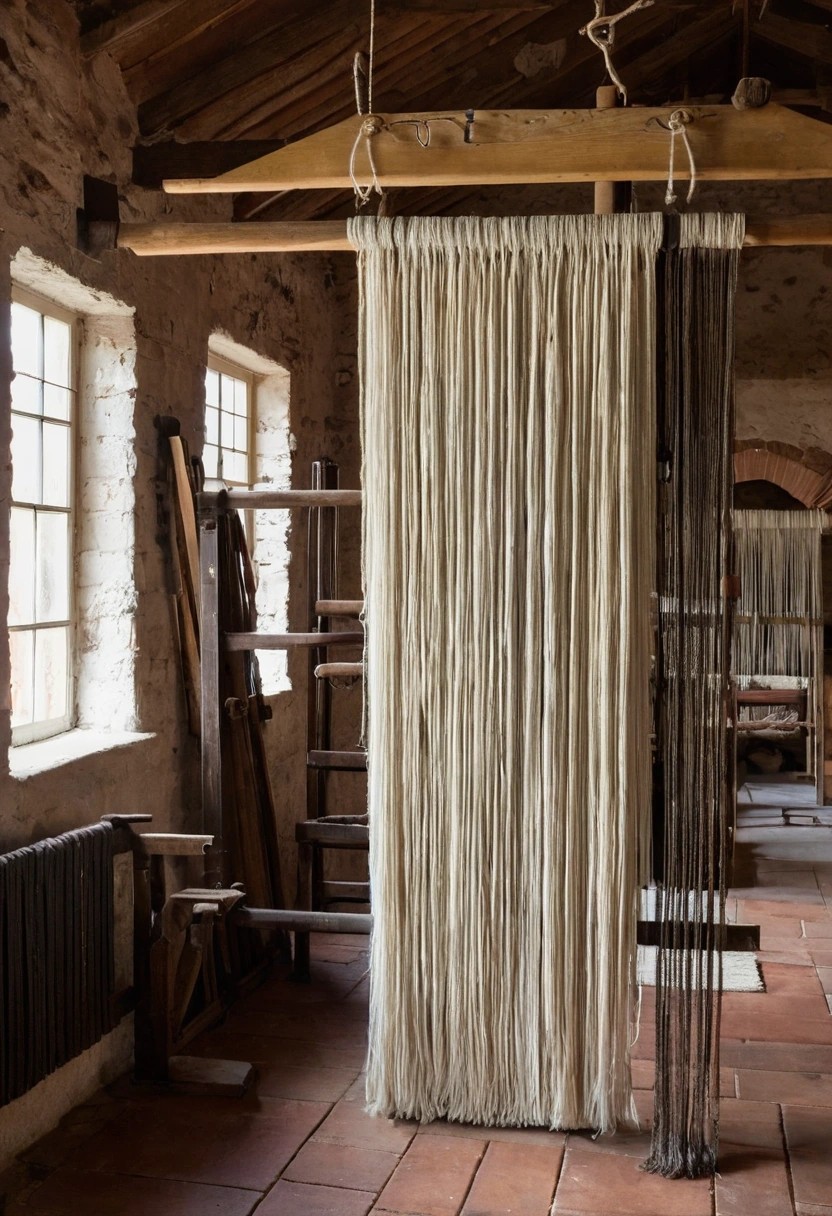
Which countries absorbed the demand that Iranian carpets left behind?
India reported $1.54 billion of carpet exports in fiscal year 2024–25 on the India Brand Equity Foundation profile, Turkey reported $1.29 billion or $1.374 billion for the first half of 2025 depending on the dataset, and Nepal and Pakistan are named as recipients with no export total published in the sources cited.
The Indian figure covers carpet exports to all destinations and comes from the India Brand Equity Foundation, the Indian government’s trade promotion body. India’s $1.54 billion is about 37 times the $41.7 million Kurdistan24 records for Iran and 3.3 times the $471 million MENA Covering records.
Turkey’s first-half 2025 total appears twice. MENA Covering reports $1.29 billion of Turkish carpet exports for the first half of 2025 and puts machine-made carpets at about $1 billion of that total. HALISIAD, the Turkish carpet exporters’ association, reports $1.374 billion for the same period. The two totals come from different datasets and the $84 million difference is derived by subtraction, so both stay in the record.
Gaziantep accounts for about 70 percent of Turkey’s machine-made carpet exports on the same reporting, concentrating the substitute supply in one city. Subtracting the $1 billion machine-made figure from each Turkish total leaves a non-machine residual of about $290 million to $374 million, which neither publisher labels as hand-knotted.
Nepal and Pakistan appear in the reporting as markets that took up demand left by Iranian carpets. No carpet export total for either country is published in the sources cited here.
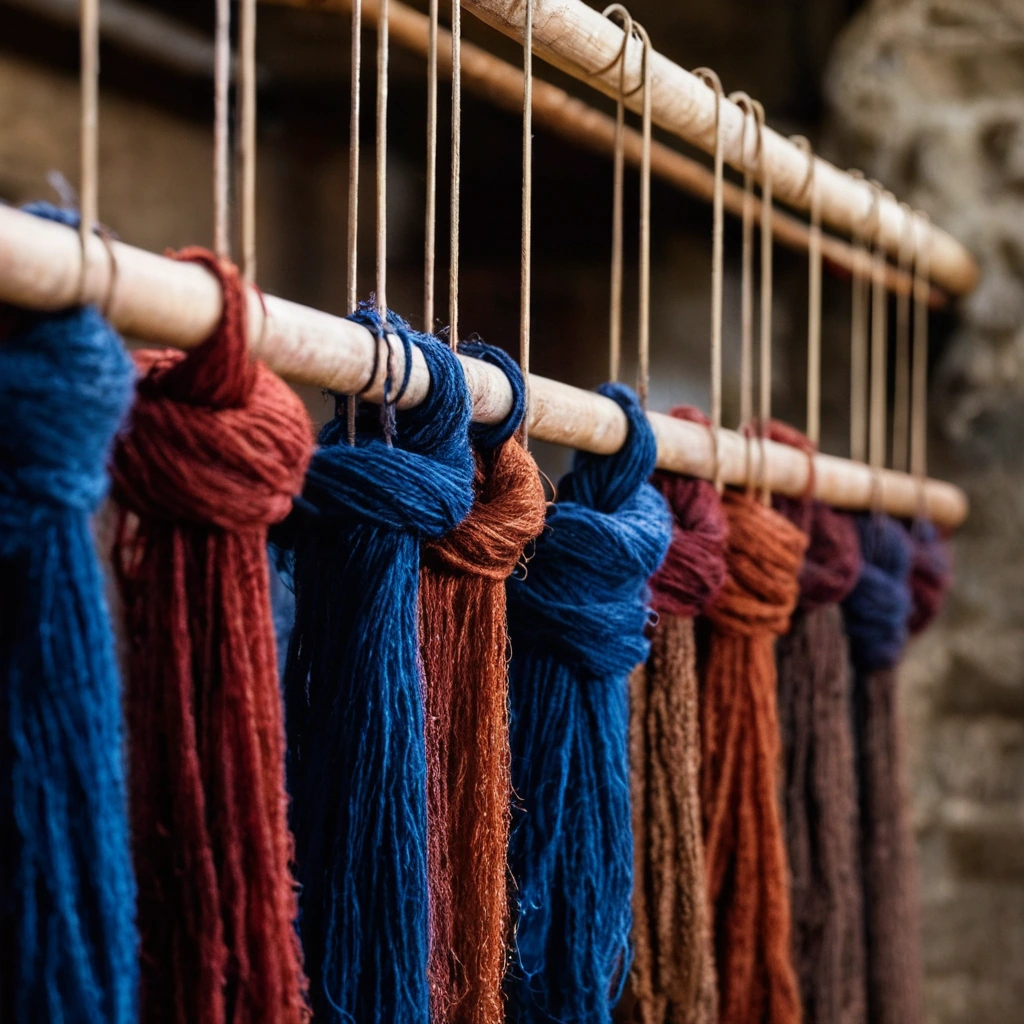
What does the loss of Iranian supply change in a rug specification?
A specification calling for a Persian carpet in 2026 describes a design vocabulary rather than a country of origin, because the recorded Iranian export value for the year to March 2025 stands at $41.7 million or $471 million on two published series and is projected below $40 million for the following year.
The substitution is not construction-neutral. About $1 billion of Turkey’s first-half 2025 carpet exports is machine-made on the MENA Covering split, so much of the volume replacing Iranian carpets is machine-produced rather than tied knot by knot. India’s total carries no published construction split.
An origin claim rests on documents, not on a design name, and one national customs year can be reported eleven times apart by two publishers who both call their figure carpet exports. A specification needing the origin should require:
- The country of weaving on the commercial invoice, separate from the design name.
- The exporter’s customs declaration covering the shipment.
- The construction: hand-knotted, hand-tufted or machine-made.
- The declared value and the currency basis of the export record.
Which terms decide whether two carpet export figures can be compared?
Three terms control the comparison of the Iranian, Indian and Turkish values above, and each changes the answer when undefined.
- Perimeter
- The product coverage, reporting channel and currency conversion behind a published trade value. The two Iranian series for the year to March 2025 differ by about eleven times.
- 31 CFR 560.201
- The United States regulation prohibiting import of Iranian carpets and textile floor coverings, in force since 6 August 2018.
- Currency-repurchase requirement
- The obligation on Iranian exporters to surrender foreign-currency earnings at the official exchange rate. The gap to the open-market rate is not published.
The reported Iranian periods end in March, so the value for the year to March 2026 will be published in the following months and the Financial Times projection of under $40 million will either hold or be revised. The two Iranian series for 2025 remain in print side by side, unreconciled in any source cited.