If the house shape is chosen before the land is read, an attractive concept can become an expensive mistake. The site should set limits for orientation, height, access, levels, glazing, privacy, drainage, and landscape before a form is approved.
A residential site should be read before the house shape is chosen
A residential site should be read as constraints before any house shape, height, or orientation is fixed. The starting point is not style, but zoning, survey levels, access, sun, wind, neighbors, views, drainage, services, and construction logistics.
What information should a homeowner collect before briefing an architect?
The pre-design pack should help the architect test a buildable envelope before drawing a preferred form. In New York City, residence-district bulk rules address lot area and width, floor area, yards, open areas, lot coverage, height, setback, density, planting, and design elements under Article II, Chapter 3 of the Zoning Resolution.
- Legal and planning records: title plan, zoning controls, setbacks, easements, height limits, access rules, and parking requirements.
- Survey information: boundaries, contours, spot levels, trees, walls, drainage lines, utilities, existing buildings, and service routes.
- Site evidence: photos of street approach, neighboring windows, views, damp areas, wind exposure, noisy edges, and overlooking points.
- Specialist inputs: geotechnical, arborist, flood, utility, or measured survey reports where required.
Which early site facts are design constraints rather than preferences?
Legal setbacks, easements, flood levels, protected trees, maximum height planes, driveway gradients, drainage outfalls, and service corridors are constraints because they can invalidate a concept. Entry sequence, view priority, outdoor-room position, and room adjacency remain preferences until those limits are mapped.
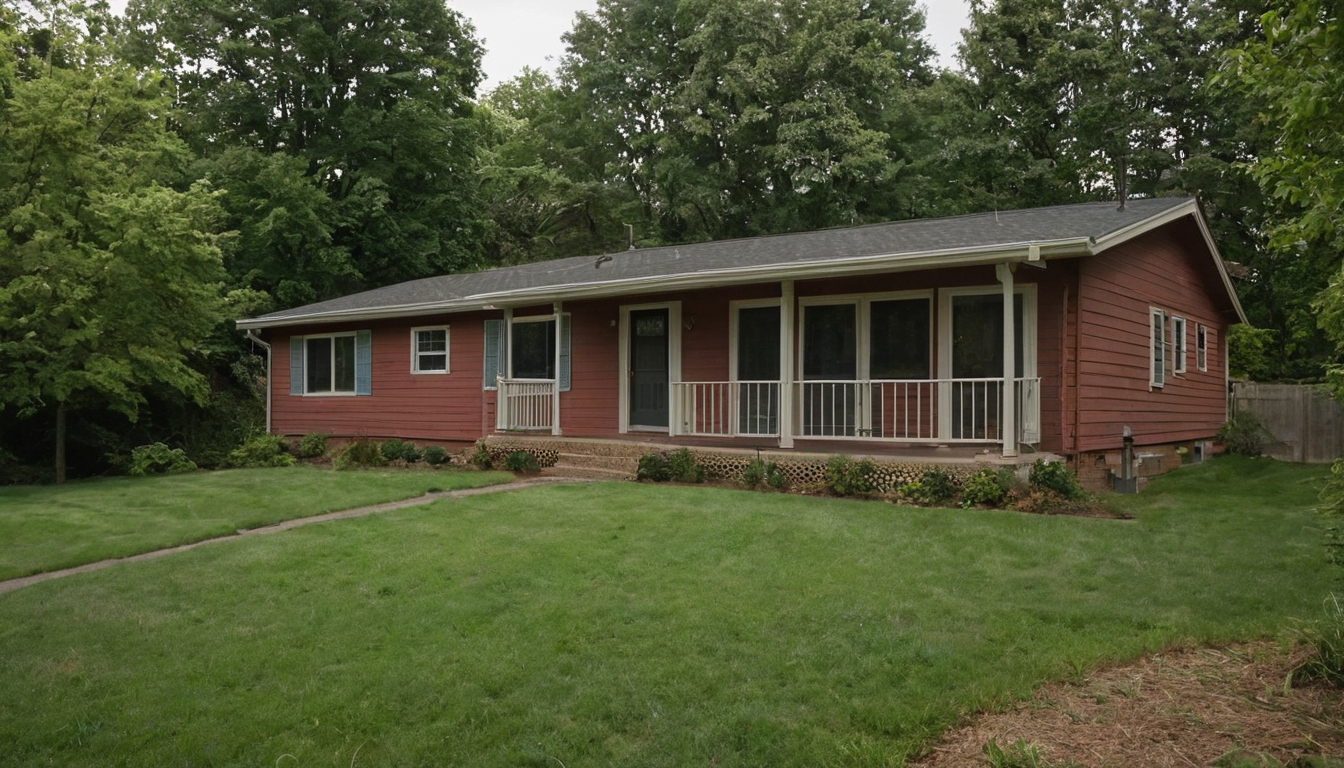
A residential site should be read before the house shape is chosen shown as an editorial planning reference.
House orientation should respond to sun path, climate, and room use
House orientation should be decided by climate, latitude, seasonal sun angle, room use, and glazing size, not by a universal best direction. Good design places living rooms, bedrooms, service spaces, shading, and window proportions where they improve daylight, comfort, and energy use.
How should north, south, east, and west light be treated in house planning?
Solar direction changes by hemisphere. In the northern hemisphere, south-facing rooms usually receive the more controllable sun path, while north-facing rooms receive softer, cooler light. In the southern hemisphere, that relationship reverses. East-facing rooms catch morning sun, and west-facing rooms receive low afternoon sun that can create heat and glare.
On heating-led sites, daytime rooms often benefit from winter sun if summer shading is designed too. On hot or cooling-led sites, large east and west exposures need caution, with garages, stairs, bathrooms, storage, or utility rooms used as heat buffers where views are less important.
When should window size, shading, and wall depth change the orientation decision?
Window design can make a good orientation fail or rescue a difficult one. Large west-facing glass may look attractive, but on a warm site it can add glare, cooling load, fading risk, and discomfort.
Overhangs, vertical fins, pergolas, shutters, screens, recessed windows, high-performance glazing, and well-placed trees can control solar gain while preserving daylight. If shading becomes too large, costly, or visually heavy, the plan may need to rotate or redistribute rooms.
Slope and drainage should decide levels before facade composition
Slope and drainage often have more impact on height, footprint, retaining walls, and floor levels than facade style. On a sloping lot, the architect should test cut and fill, split levels, driveway gradients, stormwater routes, retaining costs, and finished floor levels before fixing the massing.
How does a topographic survey change the possible house shape?
A topographic survey turns “the site slopes a little” into measurable decisions. Contours show equal height across the land, spot levels mark exact points, and the survey datum gives every level a common reference.
A compact footprint may reduce roof and wall area, but on a steep site it can force deeper excavation or a tall plinth. An elongated footprint can follow the contour and reduce retaining. A split-level plan can step with the land, while a raised platform may protect views or flood clearance but increase structure and stairs.
Where should stormwater move after the house is built?
Stormwater needs a planned route from roof, terraces, paving, driveway, and garden levels to an approved discharge point, infiltration area, detention system, or public connection where allowed. The design should also preserve safe overland flow if pipes block or rainfall exceeds the system.
Access, setbacks, services, and construction logistics limit the buildable envelope
The buildable part of a residential site is often smaller than the title plan because setbacks, height limits, easements, driveway access, service runs, fire access, parking rules, protected trees, crane reach, and staging all reduce where the house can realistically stand.
The first site diagram should show the legal boundary, planning boundary, and practical construction boundary. A rectangular lot may lose width to setbacks, a sewer easement may block a basement wall, and a narrow lane may prevent large panels or long steel sections from reaching the site.
How do setbacks and height controls create the first massing diagram?
Setbacks and height controls create the first massing diagram by turning planning rules into a three-dimensional envelope. The diagram usually marks front, side, and rear setbacks, maximum site coverage, floor area limits, height planes, daylight planes, and local boundary height rules.
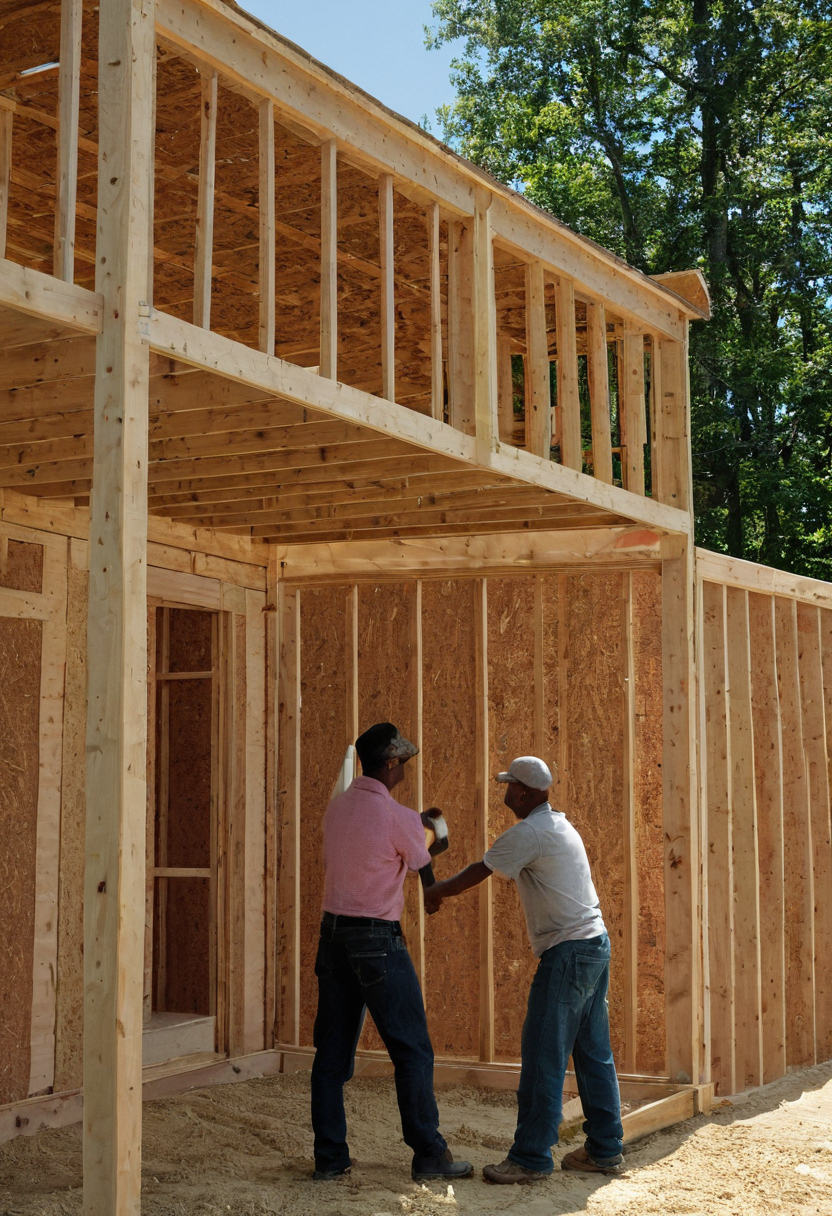
Access, setbacks, services, and construction logistics limit the buildable envelope shown with practical context cues.
The massing study should separate what is allowed from what is sensible. Local code interpretation must be confirmed before the concept plan is priced or presented for approval.
Why should driveway location be tested before the floor plan?
Driveway location should be tested early because arrival often fixes the garage, entry sequence, ground-floor level, retaining walls, and service access. Vehicle movement may need safe sightlines, a workable gradient, turning area, visitor parking, pedestrian separation, bin collection, and emergency access.
Views, privacy, wind, and landscape architecture should refine orientation after the technical limits are known
Views and privacy should refine house orientation after legal, solar, slope, and access constraints are understood. A good plan frames valuable outlooks, shields bedrooms and outdoor rooms from neighbors, uses landscape architecture for screening, and avoids exposed terraces where wind will make them uncomfortable.
How should neighboring buildings affect window placement and house height?
Neighboring buildings should be mapped from standing eye level and likely upper-floor eye level, not only from a flat survey. Mark adjacent windows, balconies, roof terraces, boundary wall heights, blank walls, service yards, and nearby lots that could be redeveloped.
Window placement can respond with raised sills, clerestory glazing, angled openings, screened balconies, courtyards, or shifted floor levels. A taller house may win a view but lose privacy, cast more shadow, or invite planning resistance.
When should landscape architecture lead the site strategy?
Landscape architecture should lead when mature trees, protected root zones, garden levels, pool position, outdoor dining, retaining walls, or stormwater movement control where the house can sit. Trees give shade, hedges filter views, permeable surfaces reduce runoff, and garden and outdoor-room planning can make orientation work at ground level.
A practical site-reading workflow prevents a premature concept design
A practical site-reading workflow helps a homeowner judge whether a concept is site-driven or merely attractive. The sequence should move from legal limits to survey levels, climate, access, drainage, privacy, views, services, budget risk, and only then to architectural form, materials, and room arrangement.
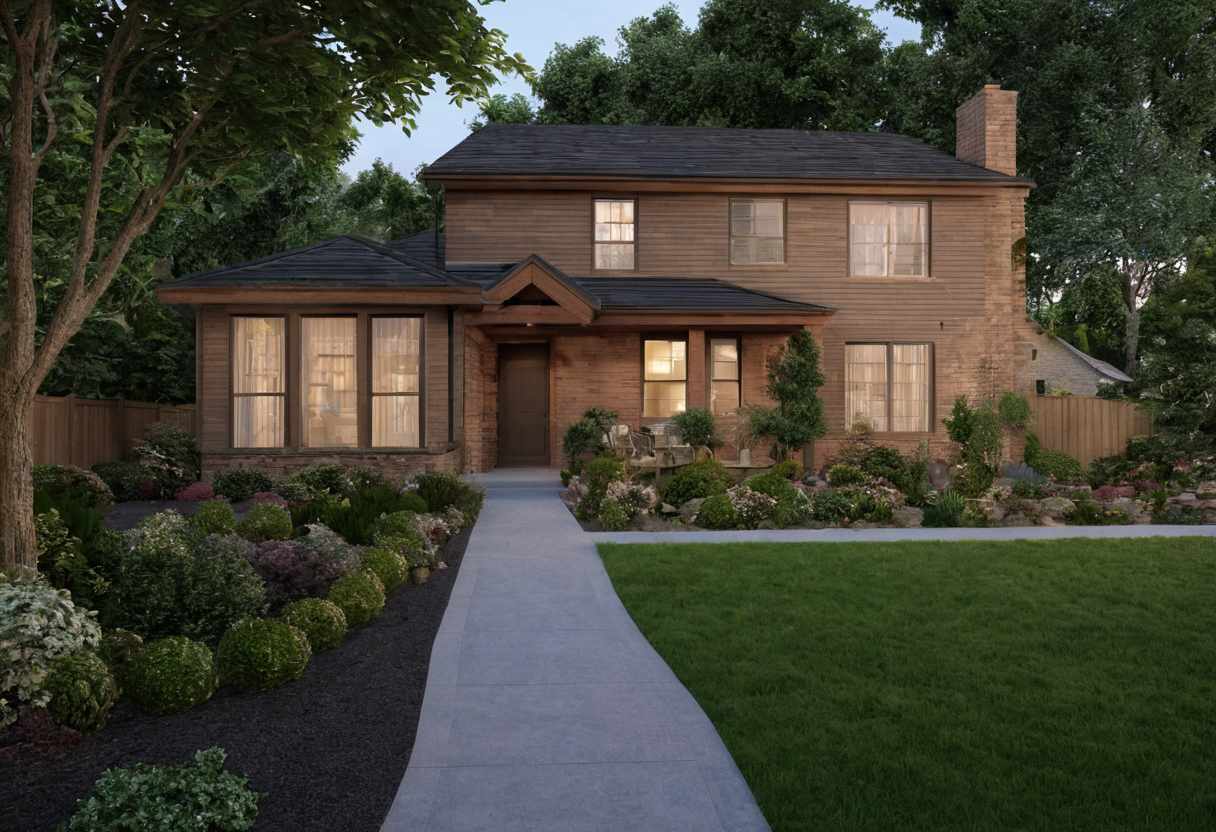
A practical site-reading workflow prevents a premature concept design shown as an editorial planning reference.
What should be checked on site, on drawings, and with consultants?
- Walk the site with the architect and record sun, shade, wind, noise, overlooking, views, trees, neighboring windows, and outdoor-room positions.
- Commission a measured and topographic survey to confirm boundaries, contours, levels, easements, trees, existing structures, drainage features, and visible services.
- Test setbacks, height, site coverage, parking, access, and approval risk before drawing a preferred house shape.
- Bring in geotechnical, civil, landscape, or energy consultants where soil, stormwater, shade, privacy, wind, daylight, or overheating may change the orientation.
What decisions should remain open until the site is understood?
Feasibility should keep shape, height, orientation, window layout, driveway position, floor levels, outdoor terraces, and major materials provisional. A late easement can move the garage, a drainage route can raise the ground floor, a privacy conflict can shrink glazing, and a height limit can turn a tall house into a wider plan.
Choosing the house shape before reading the site creates cost, comfort, and approval risks
Choosing a house shape before reading the site can create avoidable redesign, planning refusal, overheating, poor daylight, privacy conflicts, expensive retaining, awkward access, and drainage failures. The risk rises on sloping, constrained, urban, coastal, wooded, flood-prone, or view-driven sites.
Which site mistakes are expensive to fix after concept design?
The expensive mistakes are the ones that change structure, approvals, or groundworks after the client has accepted a plan. Common late corrections include moving the driveway, lowering the building height, changing the roof form, revising foundations, adding stormwater attenuation, redesigning retaining walls, extending utilities, or removing windows that overlook neighbors.
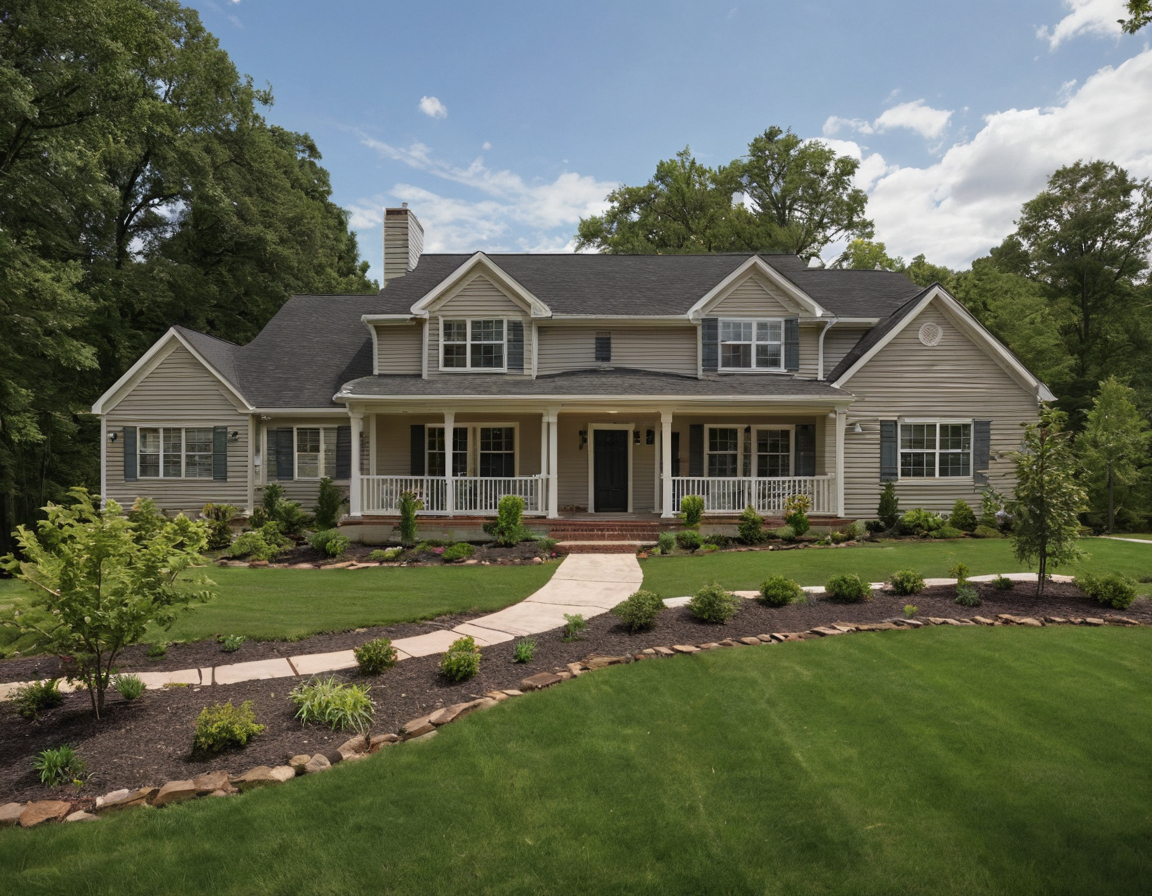
Choosing the house shape before reading the site creates cost, comfort, and approval risks shown with practical context cues.
Approve only a concept that has been tested against the site, not only against the preferred house shape.
FAQ
How do you tell the orientation of a house before design starts?
Confirm the site north point on the survey, then compare it with sun path, street access, slope, views, wind, and neighboring windows.
How do you read a residential site plan as a homeowner?
Start with boundaries, setbacks, easements, contours, spot levels, trees, services, driveway access, drainage paths, and neighboring buildings. Ask the architect to mark the legal and practical buildable envelope before reviewing room layouts.
What is the best house orientation for sunlight?
The best orientation depends on hemisphere, latitude, climate, and room use. In the northern hemisphere, south-facing daytime rooms often receive controllable sun; in the southern hemisphere, north-facing rooms usually play that role.
Can a poor site layout devalue a house?
A poor site layout can reduce usefulness and market appeal if it creates dark rooms, overheating, difficult access, privacy problems, drainage issues, or expensive maintenance.
Should cultural direction preferences such as Vastu or feng shui override sun, access, privacy, and drainage?
Cultural direction preferences can be part of the brief, but they should be tested alongside safety, approvals, climate, access, privacy, and drainage.